

In Nigeria today, everyone is looking for smart ways to make their money work for them. With the way things are, letting your cash sit in a regular savings account can feel like you’re moving backwards. This is where Peer-to-Peer (P2P) lending comes in, looking like a superhero. It offers you the chance to earn impressive returns by lending money directly to other Nigerians, often helping a small business grow or an individual sort out an urgent need.
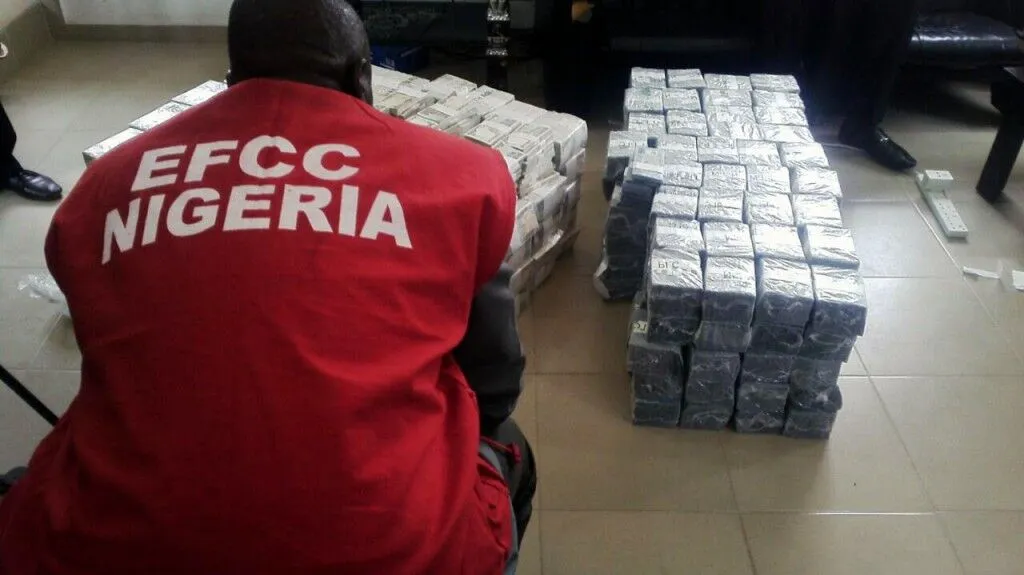
It sounds like a win-win. But as with all things that glitter, it’s wise to check if it’s real gold. While you are focused on getting a good return on your investment, some people have far more sinister goals. There’s a hidden risk that many investors don’t consider: you could unintentionally be helping criminals “wash” their dirty money.
Here at Credit Nigeria, our mission is to empower you with the right knowledge. As part of our crusade to boost financial literacy in Nigeria, we want to pull back the curtain on this danger and show you how to protect your hard-earned money.
Simply put, P2P lending platforms are digital middlemen. They are websites or apps that connect people who want to lend money directly with people who need to borrow it. Think of it as cutting out the traditional bank.
This model has exploded in popularity for two main reasons:
These platforms have become a vital part of our growing ecosystem of loan apps, creating opportunities for everyday Nigerians. But this convenience also creates new avenues for financial crime.
When you hear “money laundering,” you might think of big-time criminals in movies. But the reality can be much simpler, and it can happen right on your smartphone. The goal of a launderer is to take money made from illegal activities and make it look legitimate.
According to financial experts, money laundering is the process of making illegally gained proceeds (‘dirty money’) appear legal (‘clean’). It typically involves three steps:
A P2P platform is a perfect tool for the “layering” stage. A criminal can “borrow” money from you, then repay the loan using their illicit funds. To the outside world, it just looks like they settled a debt. But what they’ve actually done is turn their dirty money into a clean, legitimate transaction, with you as an unwitting participant.
Now, this doesn’t mean every P2P platform is a minefield. The key is to know where you are putting your money.
Reputable platforms in the Nigerian market, like KIAKIA or the lending arms of microfinance institutions like Lapo, take this risk very seriously. They invest heavily in security and compliance. They have strict Know-Your-Customer (KYC) processes where they verify the identity and background of every single borrower. These checks are designed to weed out fraudsters and criminals before they can even get on the platform.
The real “wahala” starts with new, unknown, or poorly regulated P2P apps. To attract users quickly, they might cut corners on security and verification. They may not ask for BVN, a valid ID, or proof of income. These are the platforms that criminals actively seek out because it’s easy to operate anonymously.
You have to shine your eye. Here are five clear signs that a borrower on a P2P platform might have dubious intentions. Learning them is the first step in how to avoid loan scams in Nigeria.
Peer-to-peer lending remains a powerful tool for wealth creation in Nigeria. But in the world of finance, knowledge isn’t just power—it’s profit and protection.
By understanding the risks and learning to spot the red flags, you can navigate the P2P market with confidence. You can enjoy the high returns without falling victim to financial criminals. The team at Credit Nigeria is committed to providing you with the clarity you need to make sound financial decisions. Invest smart, stay vigilant, and watch your money grow the right way.
A: Yes, P2P lending is legal and operates in a growing fintech space, but it’s not as heavily regulated as traditional banking. This is why choosing a reputable platform with strong internal controls is crucial for your safety.
A: Yes, there is a risk of capital loss, primarily if a borrower defaults on their loan and the platform cannot recover the funds. This is why diversification (lending small amounts to many people) is a key strategy to manage risk.
A: Do not engage further with the borrower. Immediately contact the P2P platform’s official support team and report the user and the transaction in detail. They have procedures to investigate and take action.


